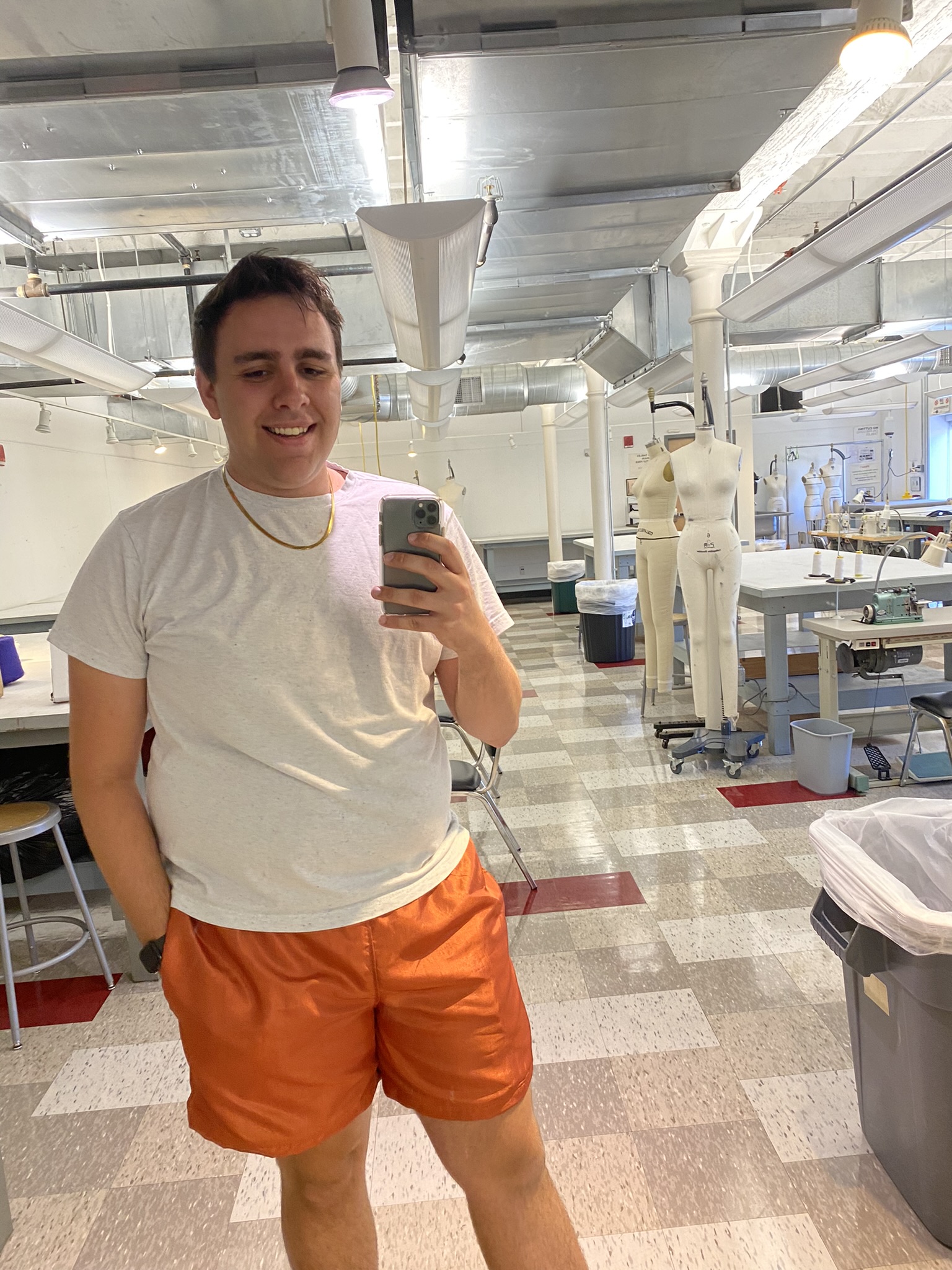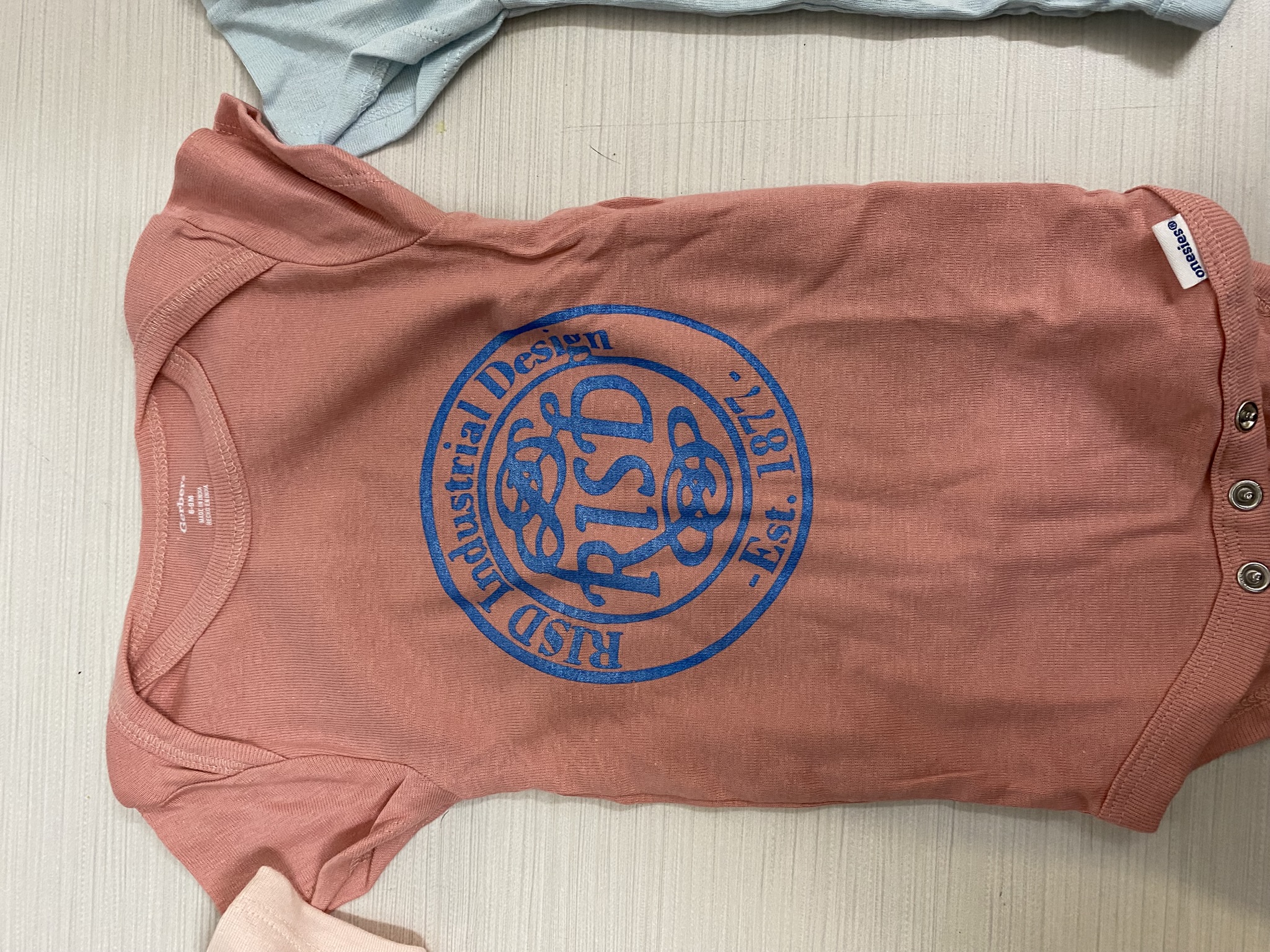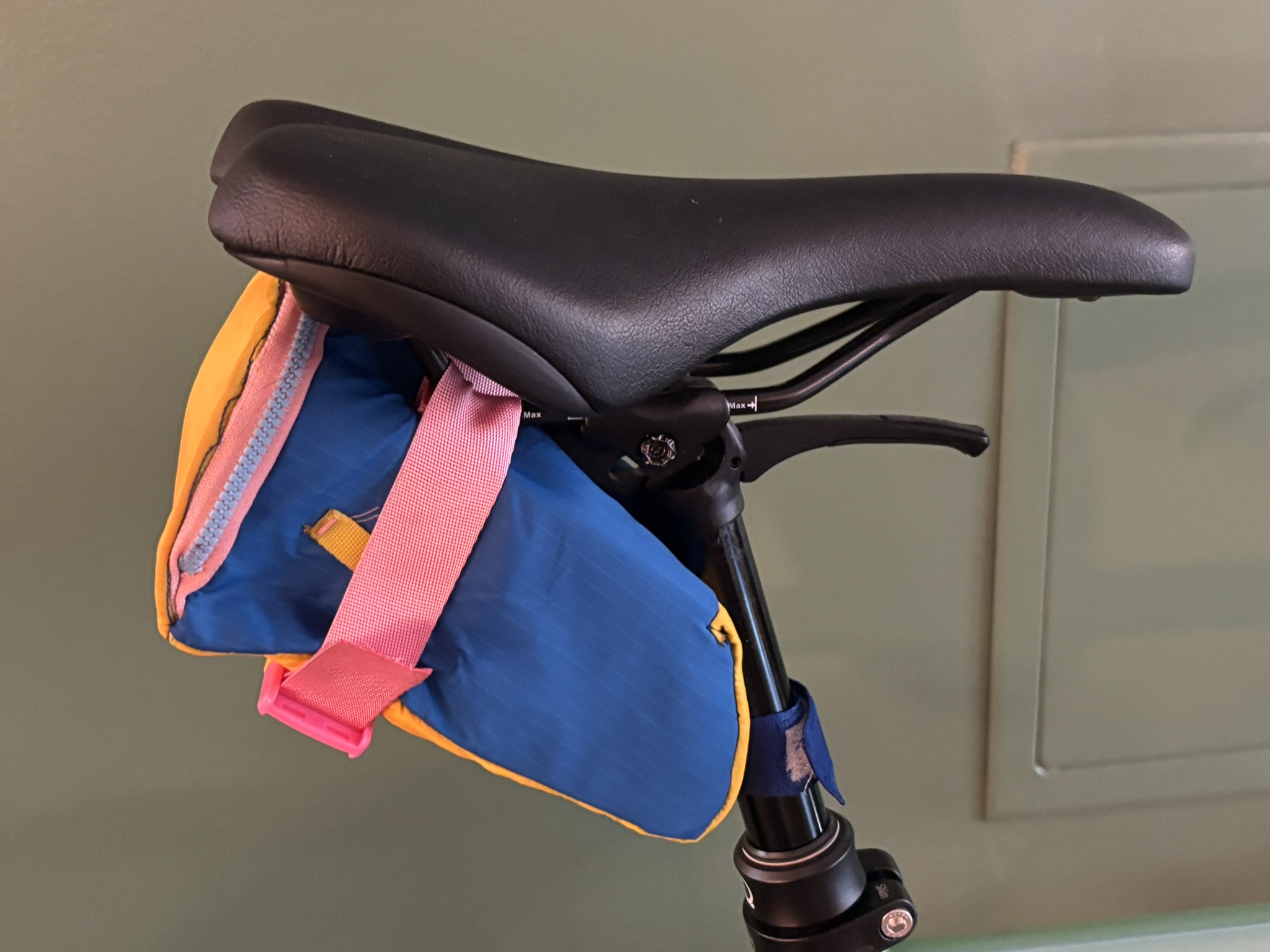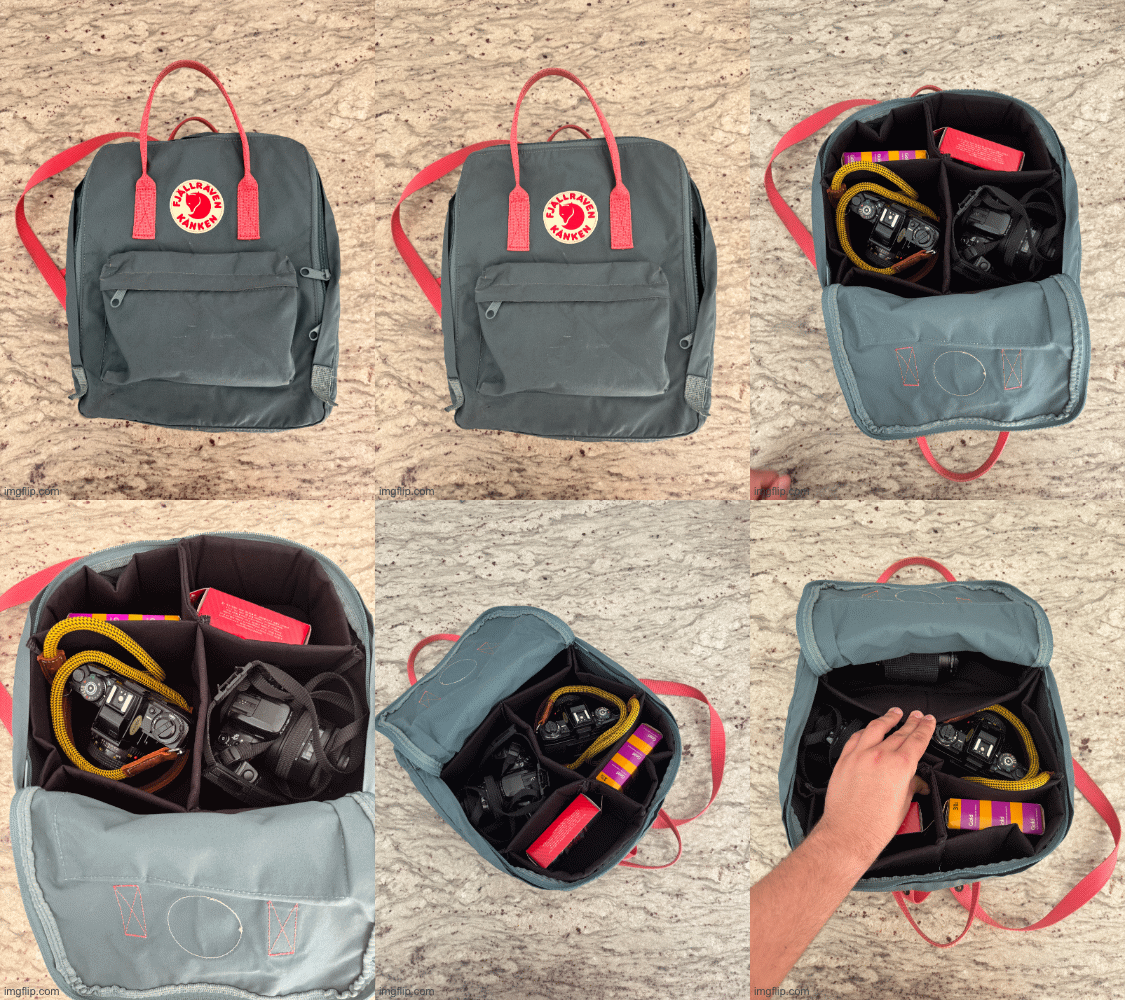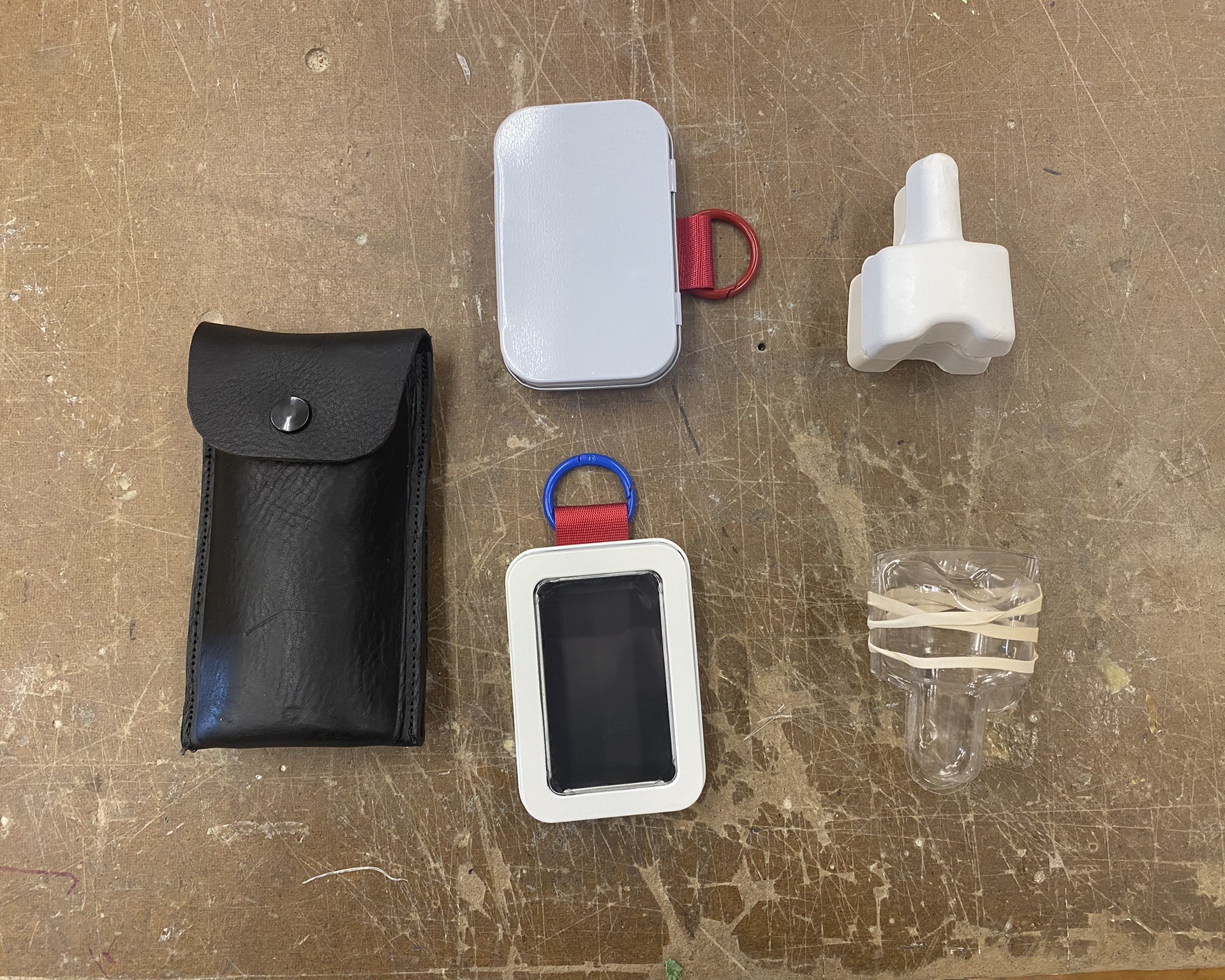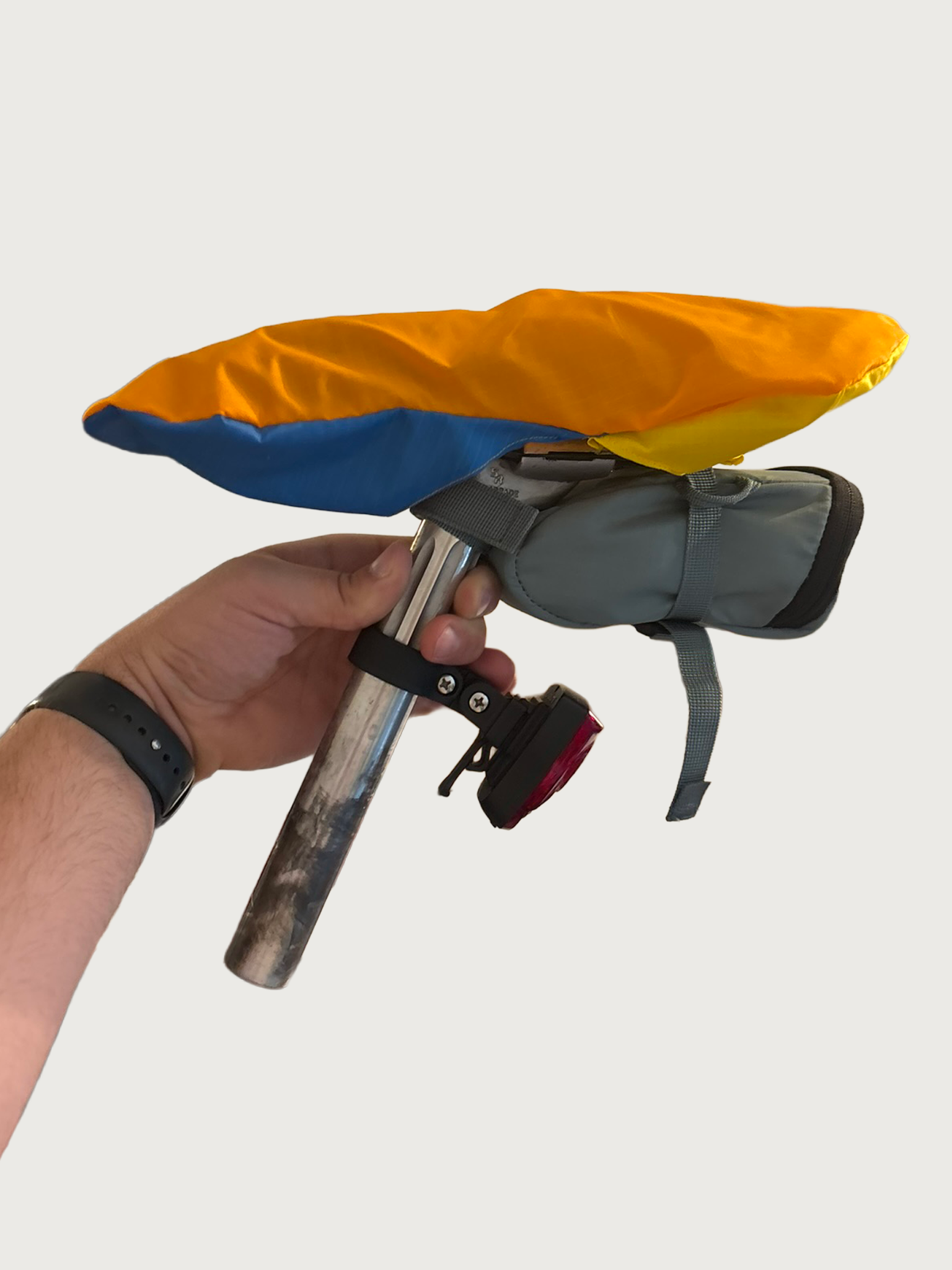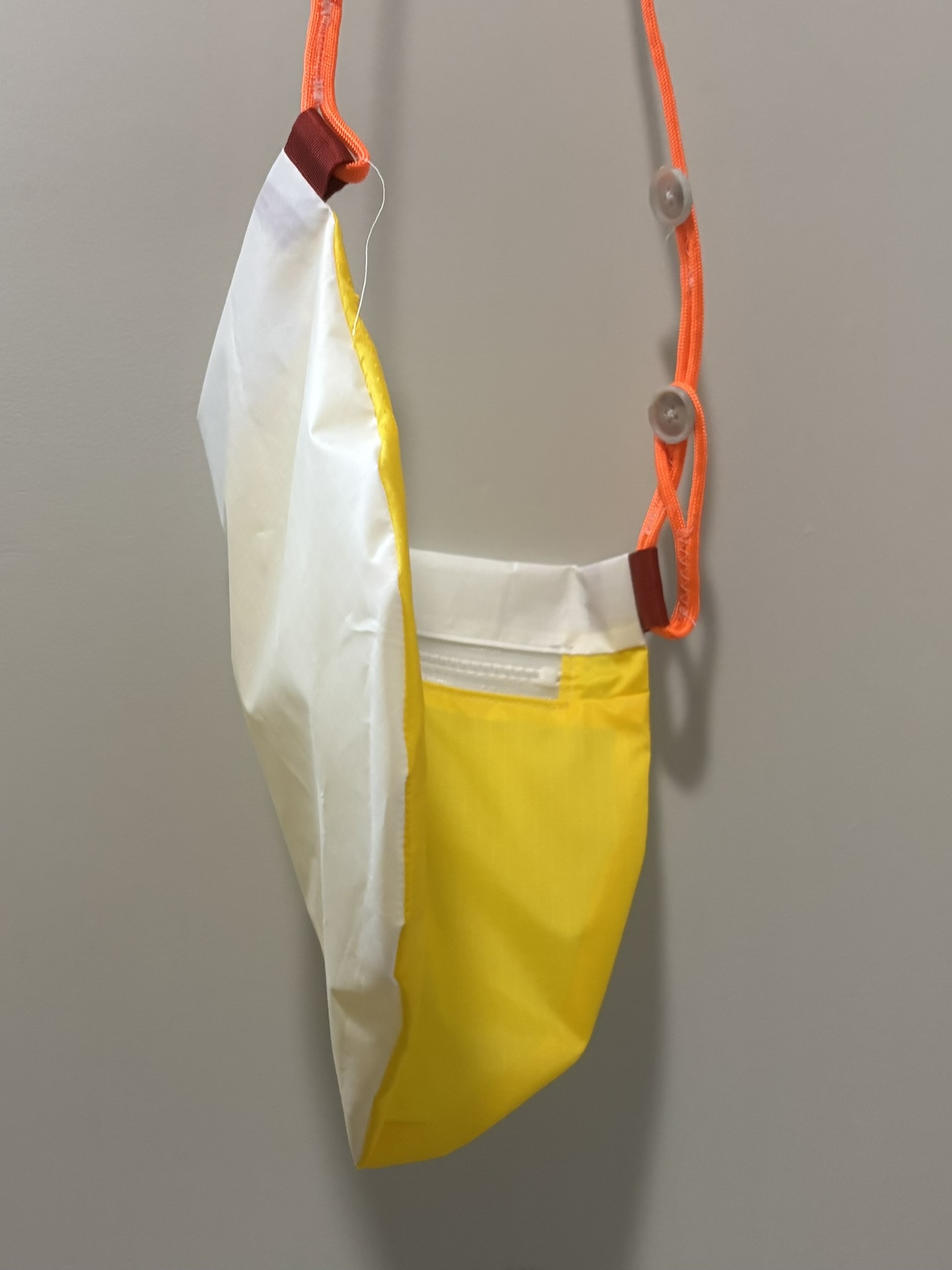
My soft goods practice combines rigorous research, hands-on prototyping, and an adaptive design process
responds to users, brands, and communities.
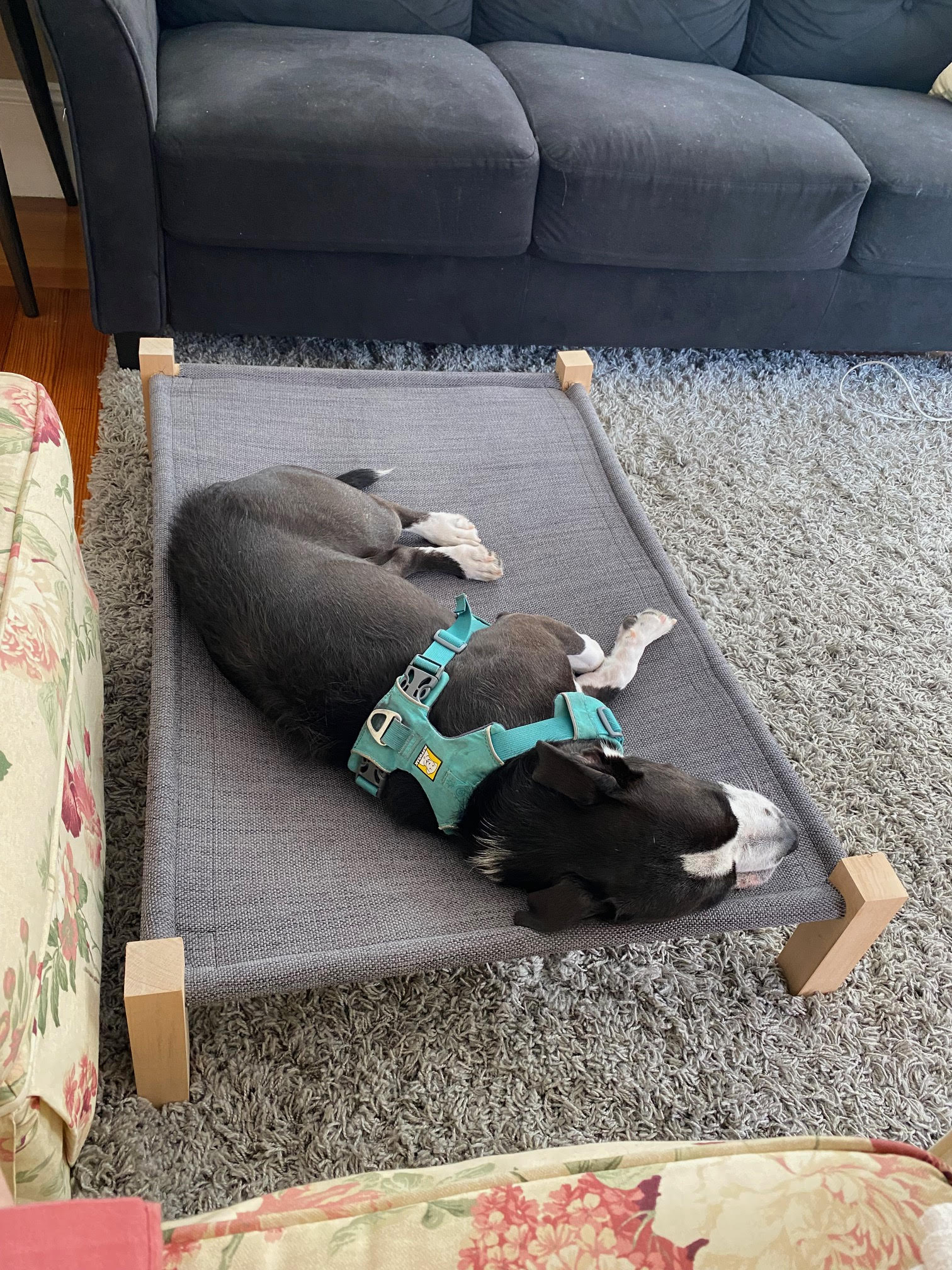
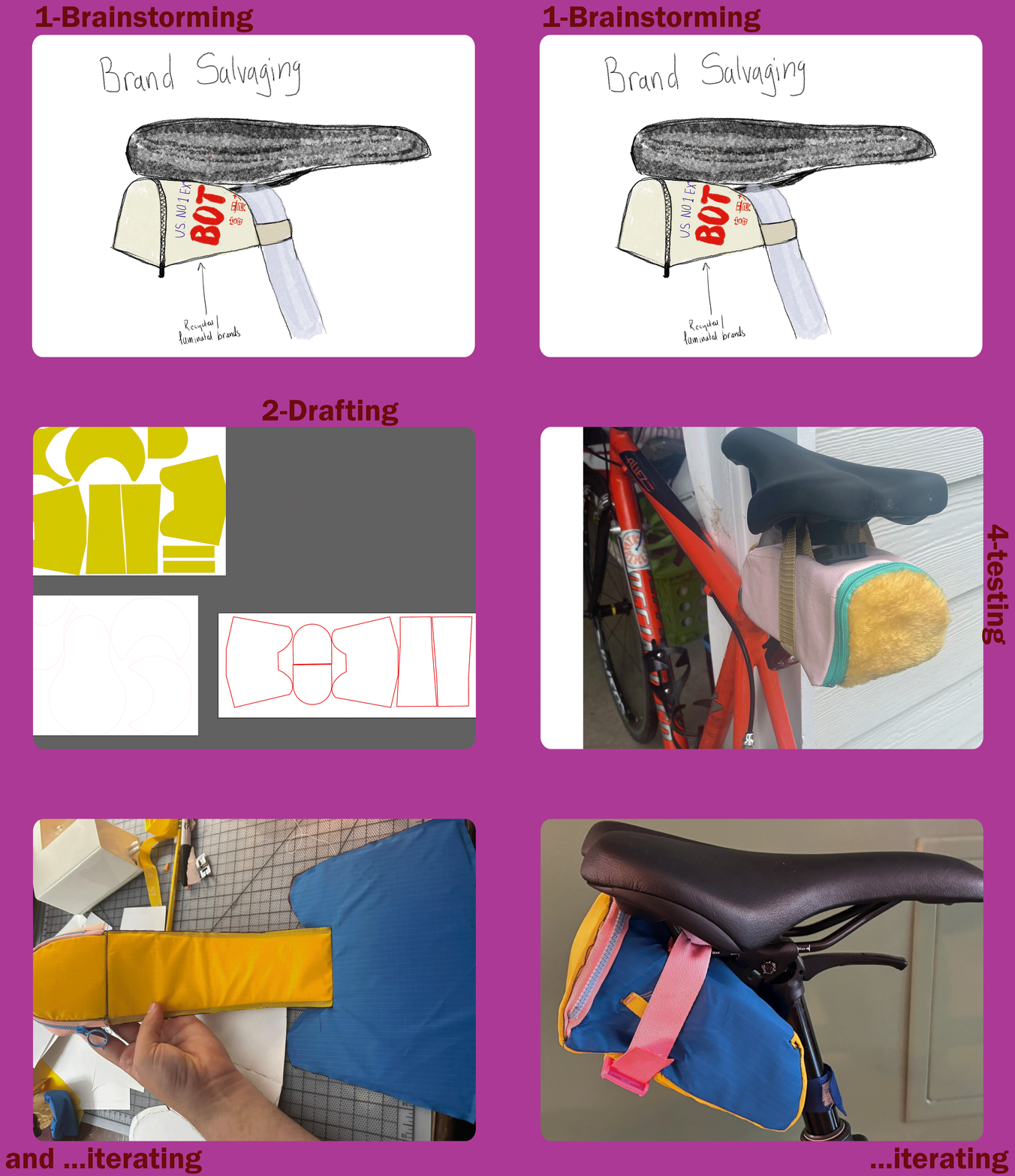
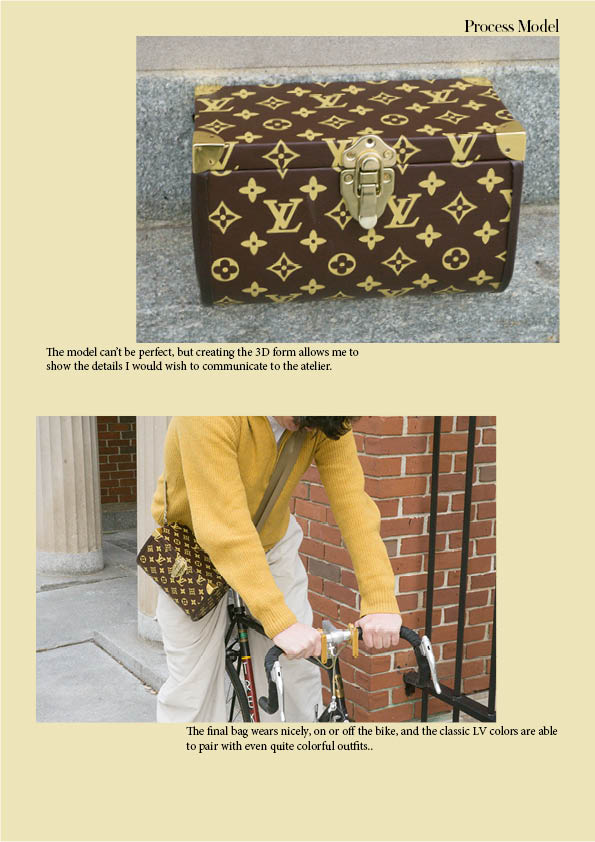
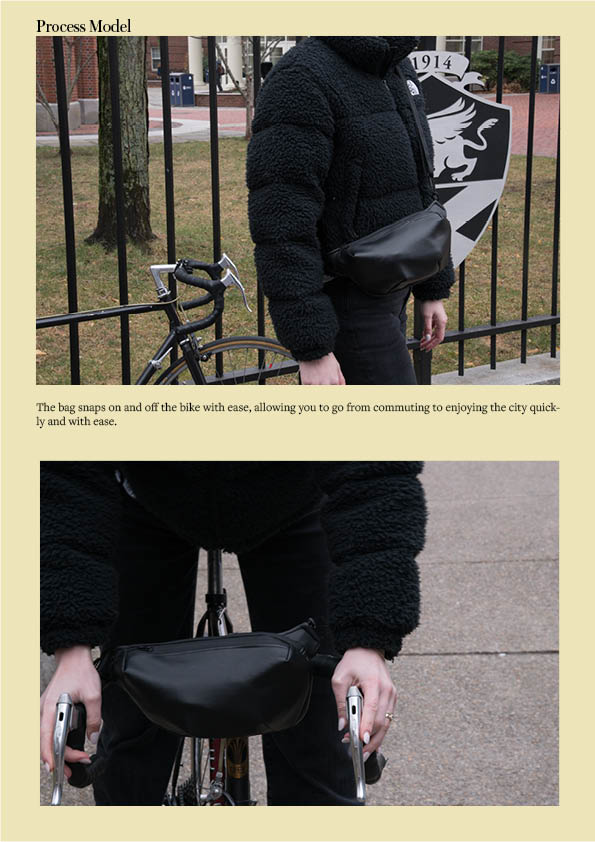
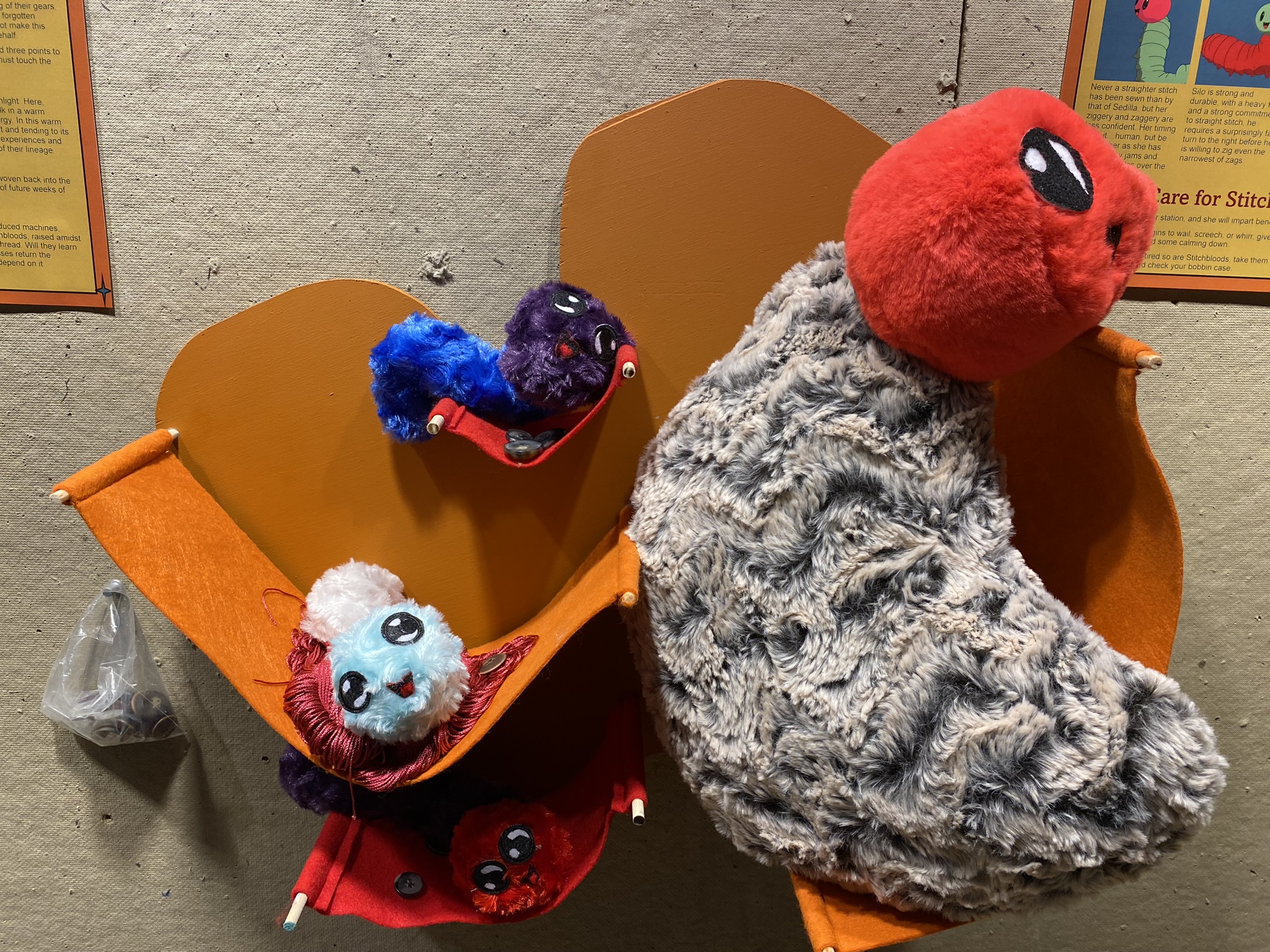
Each project moves through a cycle of brainstorming, sketching, user research, paper modeling,
prototyping, and testing—iterating closely with users to refine form, function, and feel.
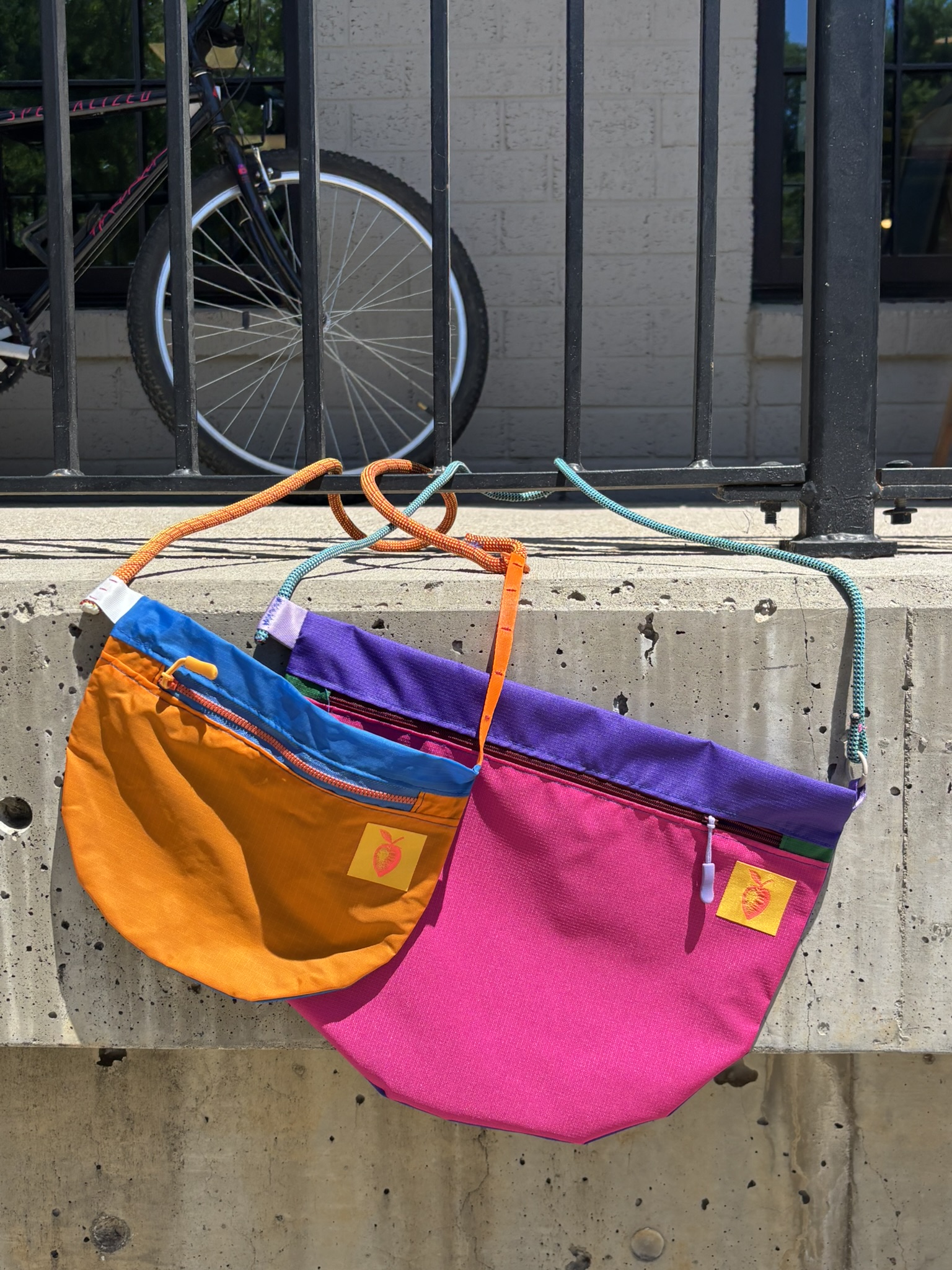
The projects I build feature a wide range of aesthetics. I let
research and collaboration guide the visual language of each design.
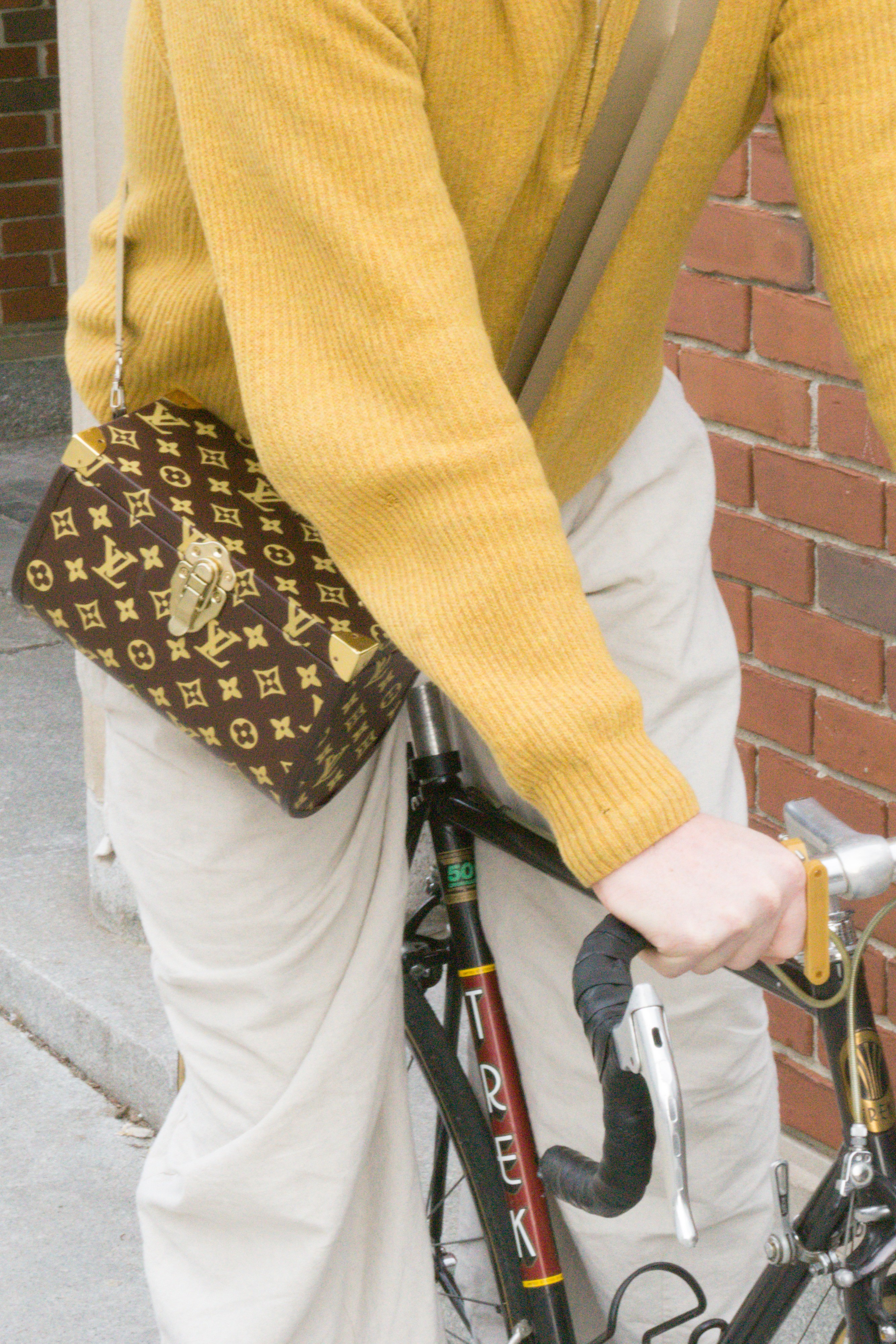
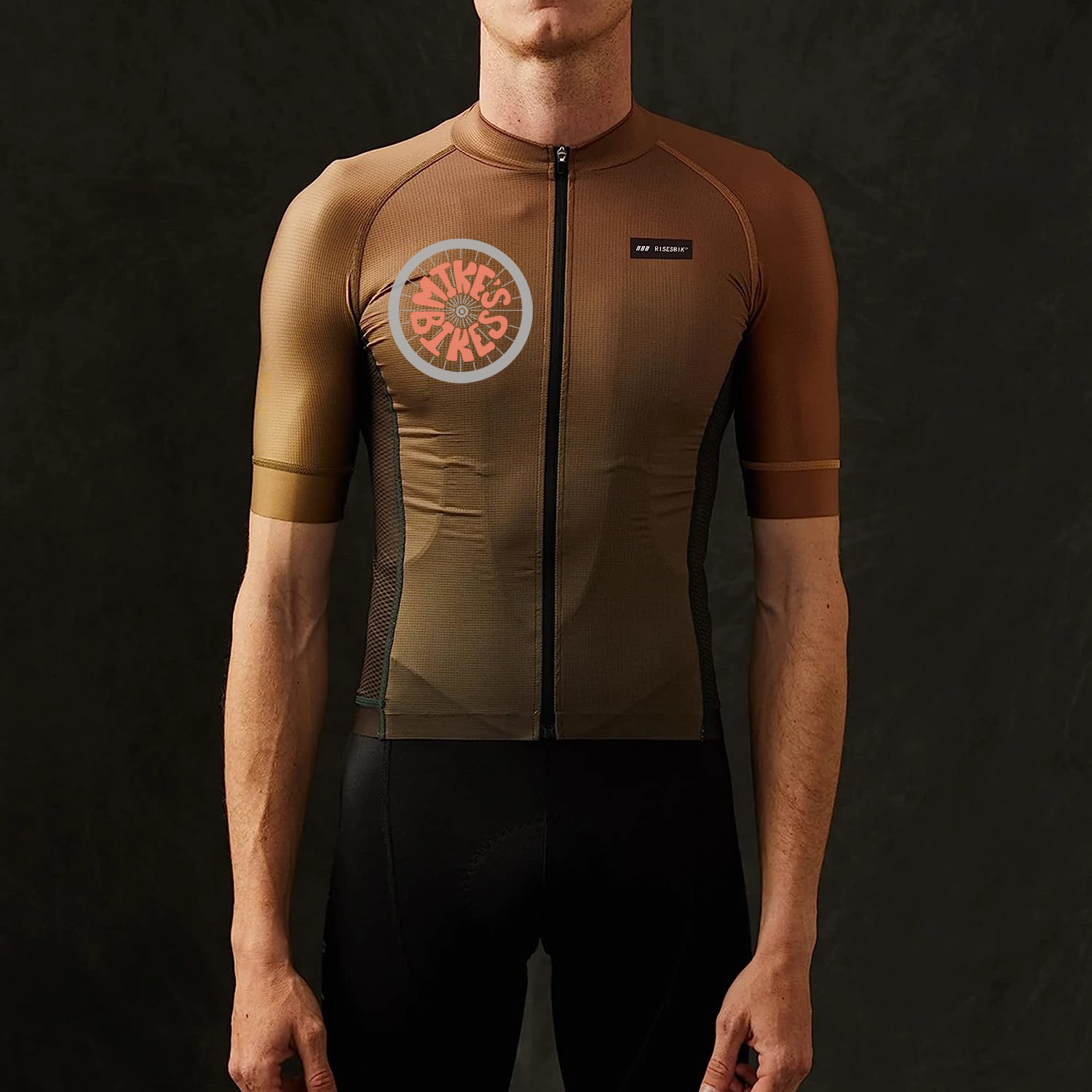
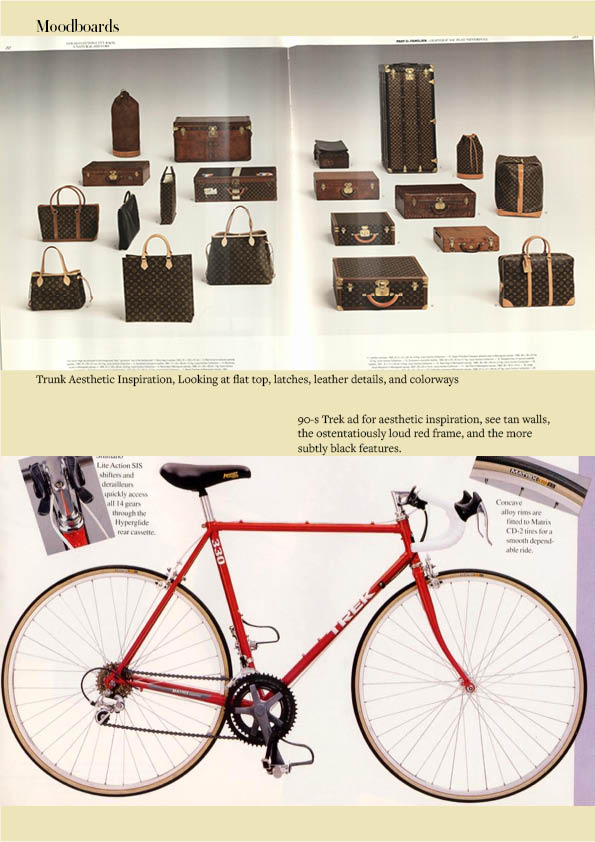
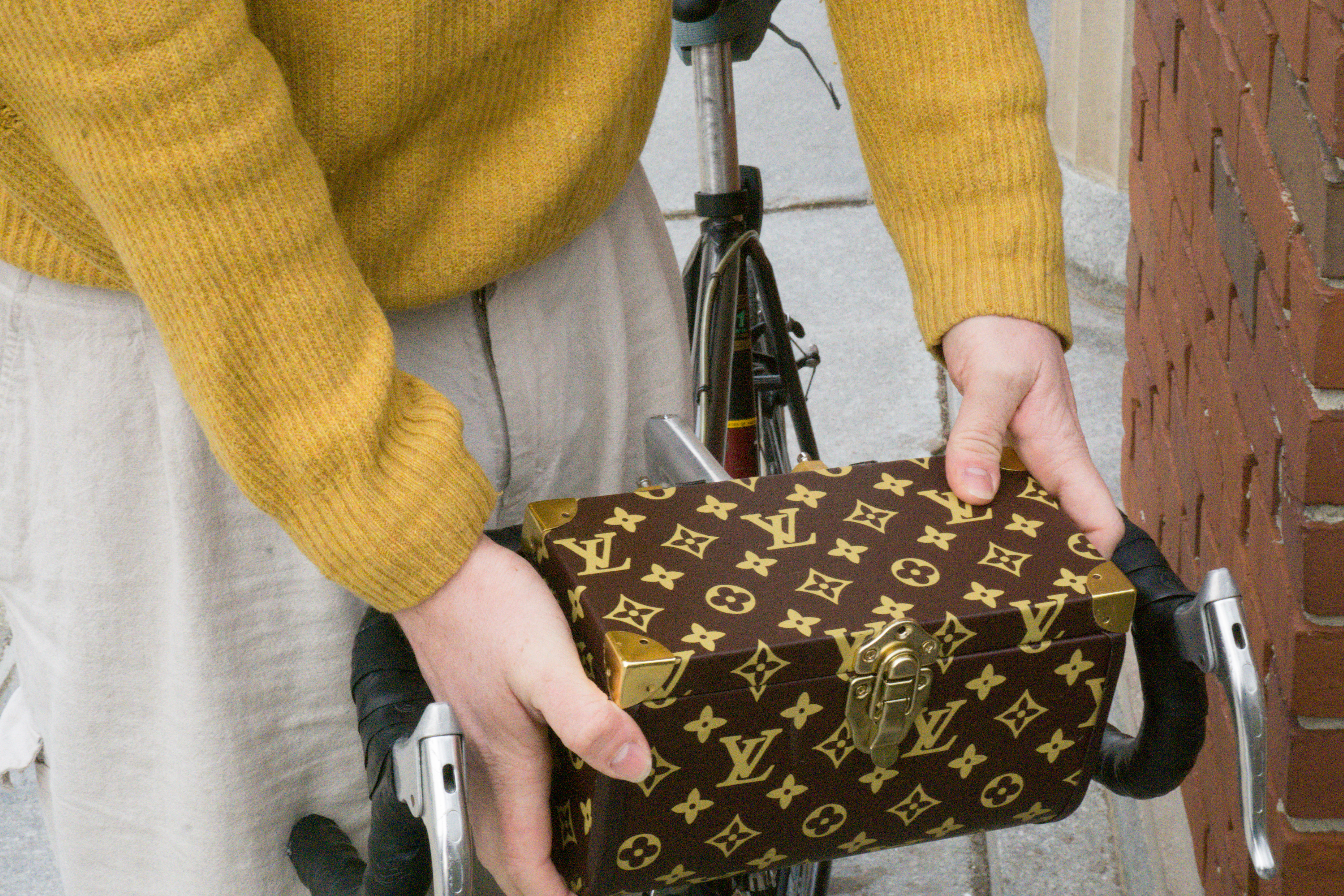
Thorough brand research ensures that I can seamlessly incorporate and respond to existing brand aesthetics in
partnerships, while still bringing a critical design perspective to the table.
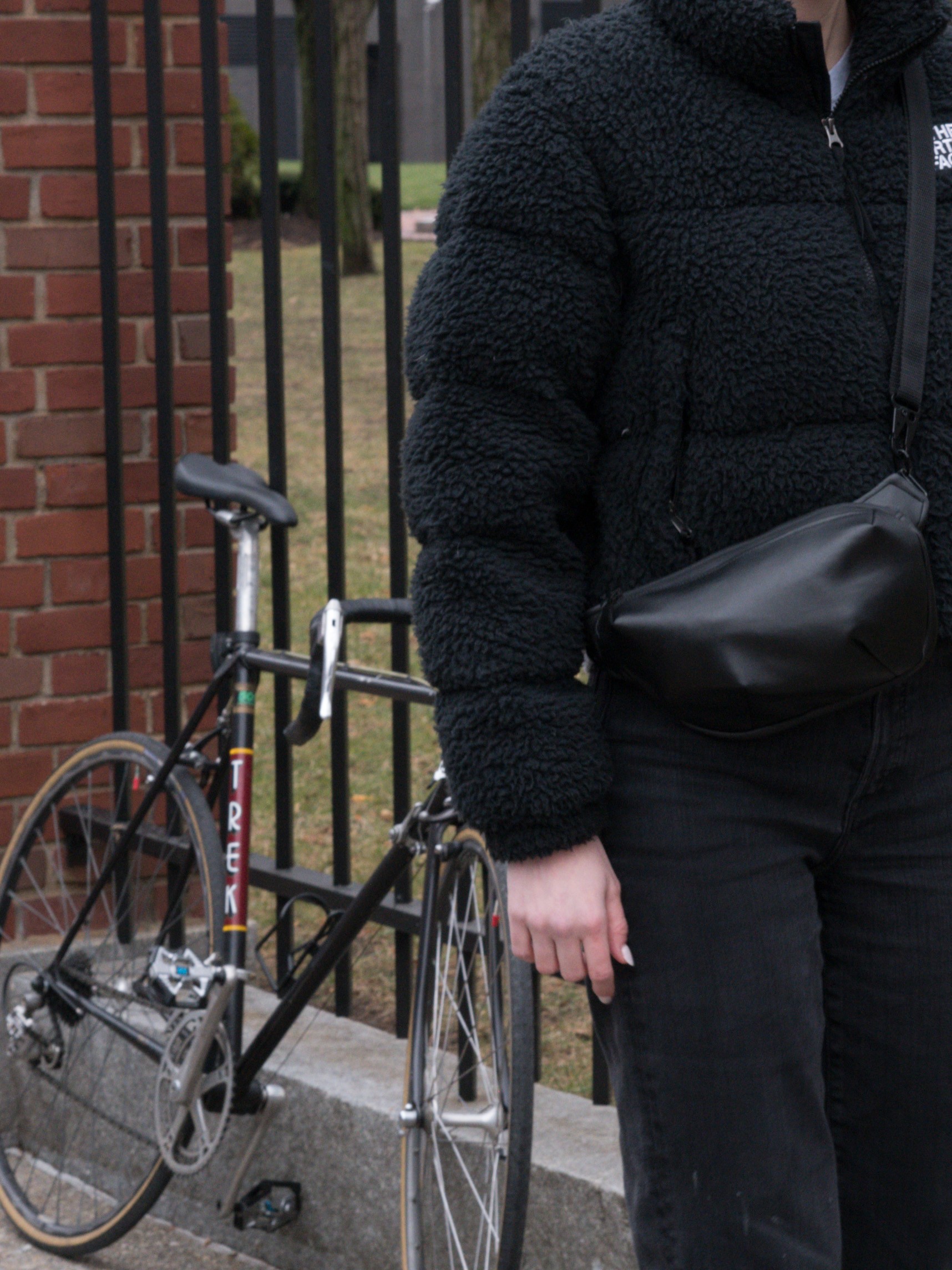
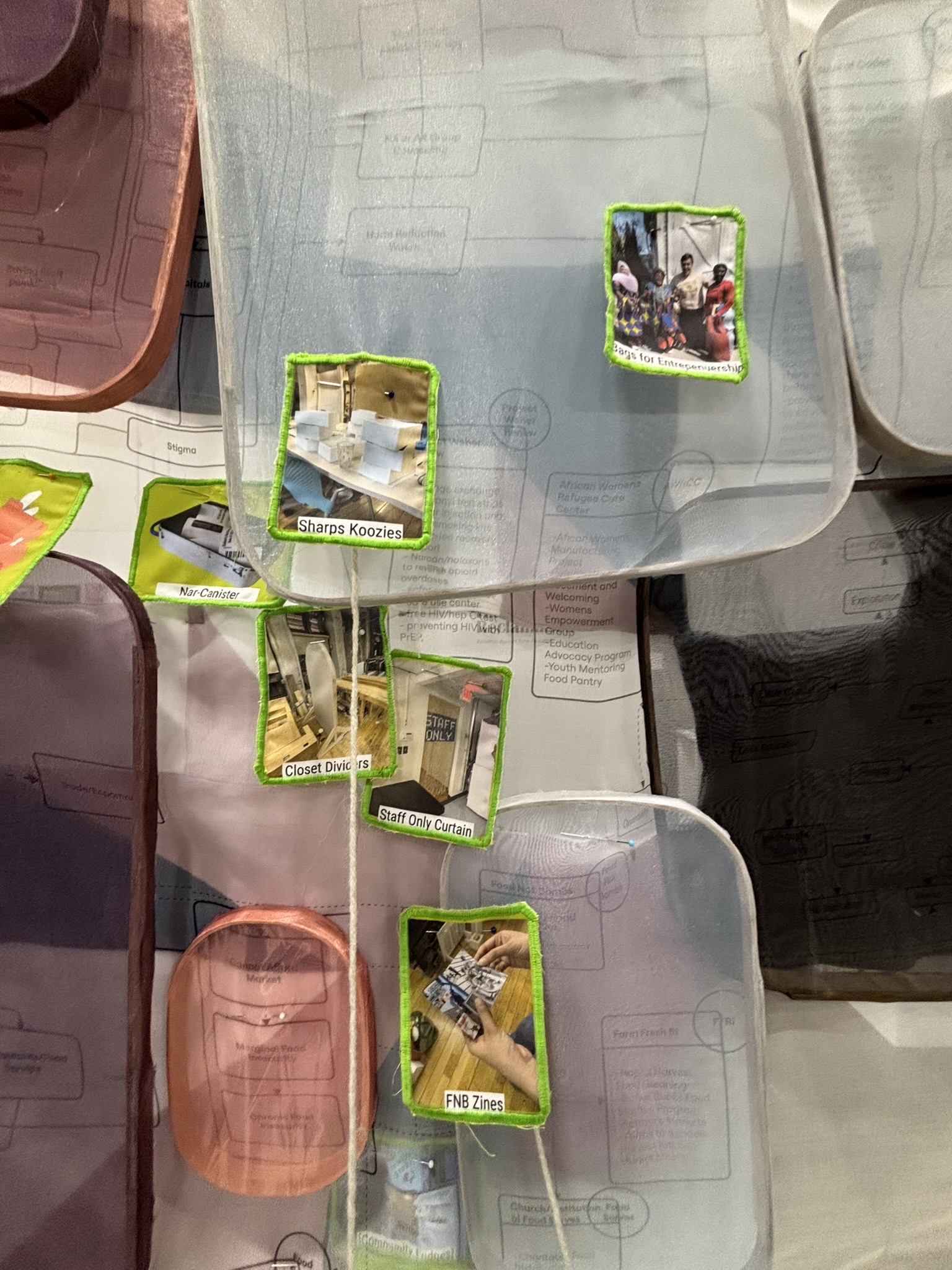
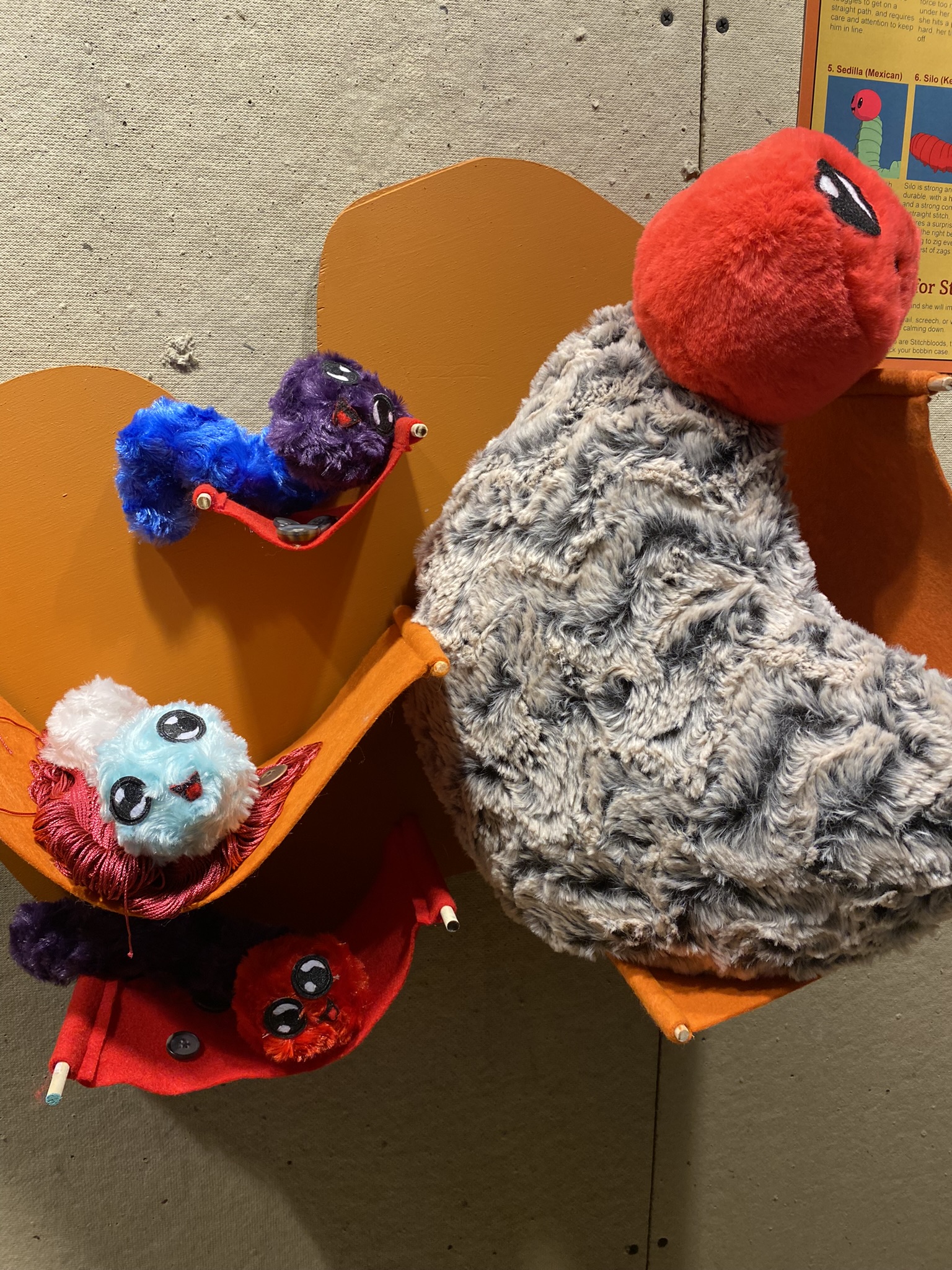
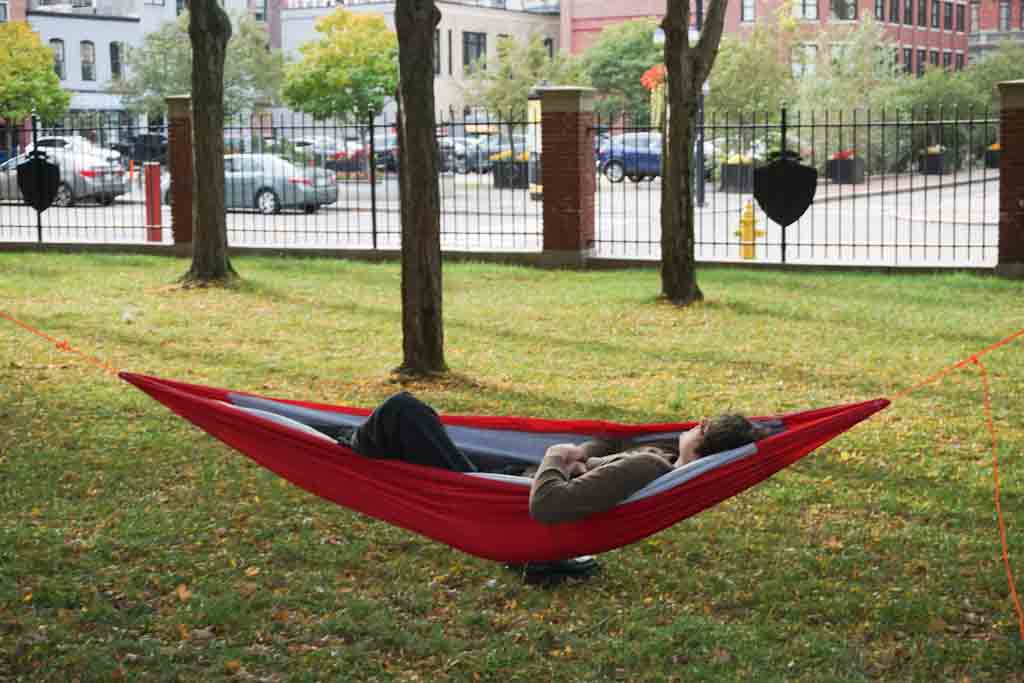
Beyond the object itself, I investigate the “product world” that surrounds it—the spaces, interactions, and
systems that shape how an item is experienced.
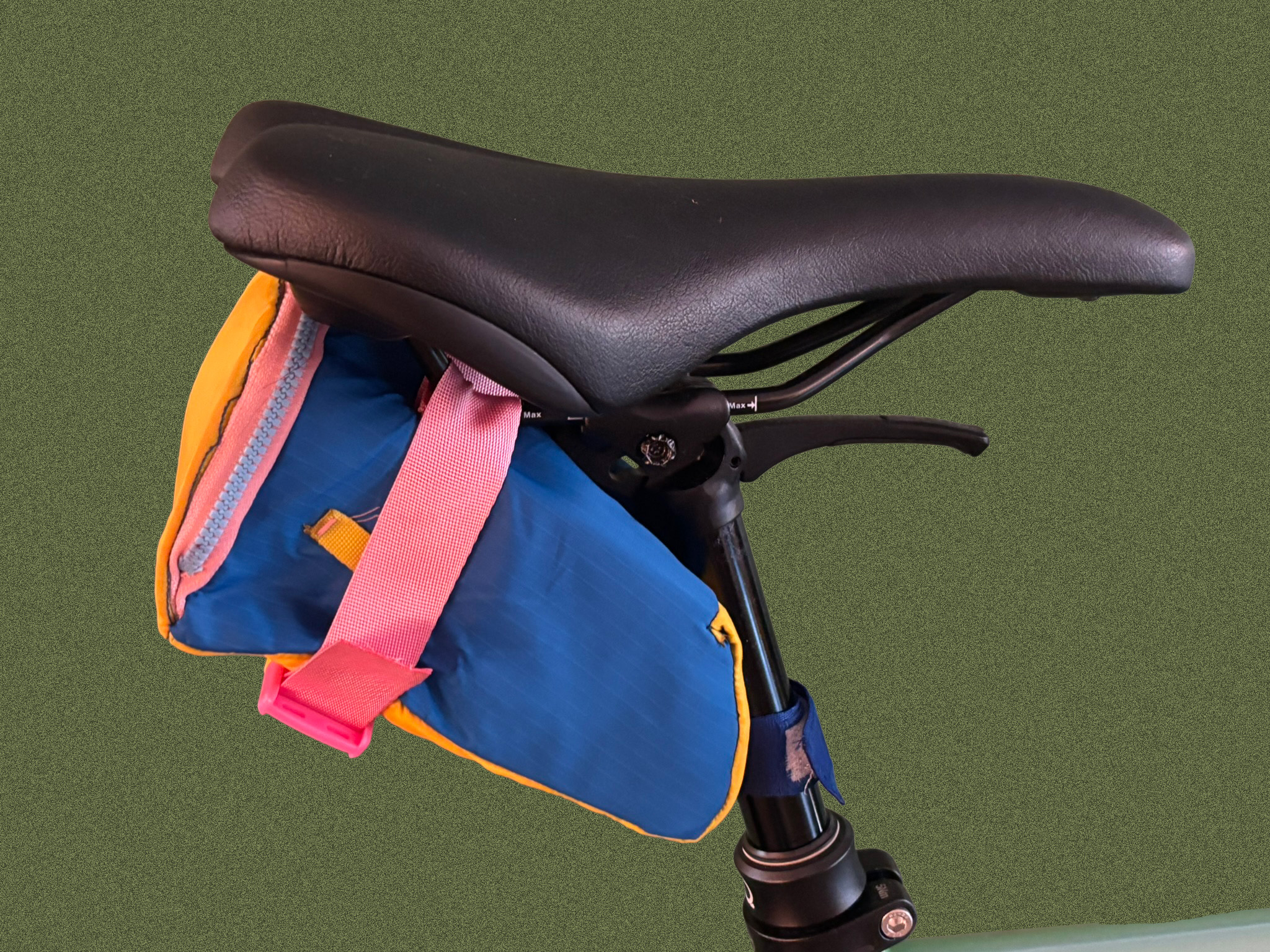
This holistic approach helps me design soft goods
that are
not only functional, but also embedded meaningfully in the environments and communities they serve.
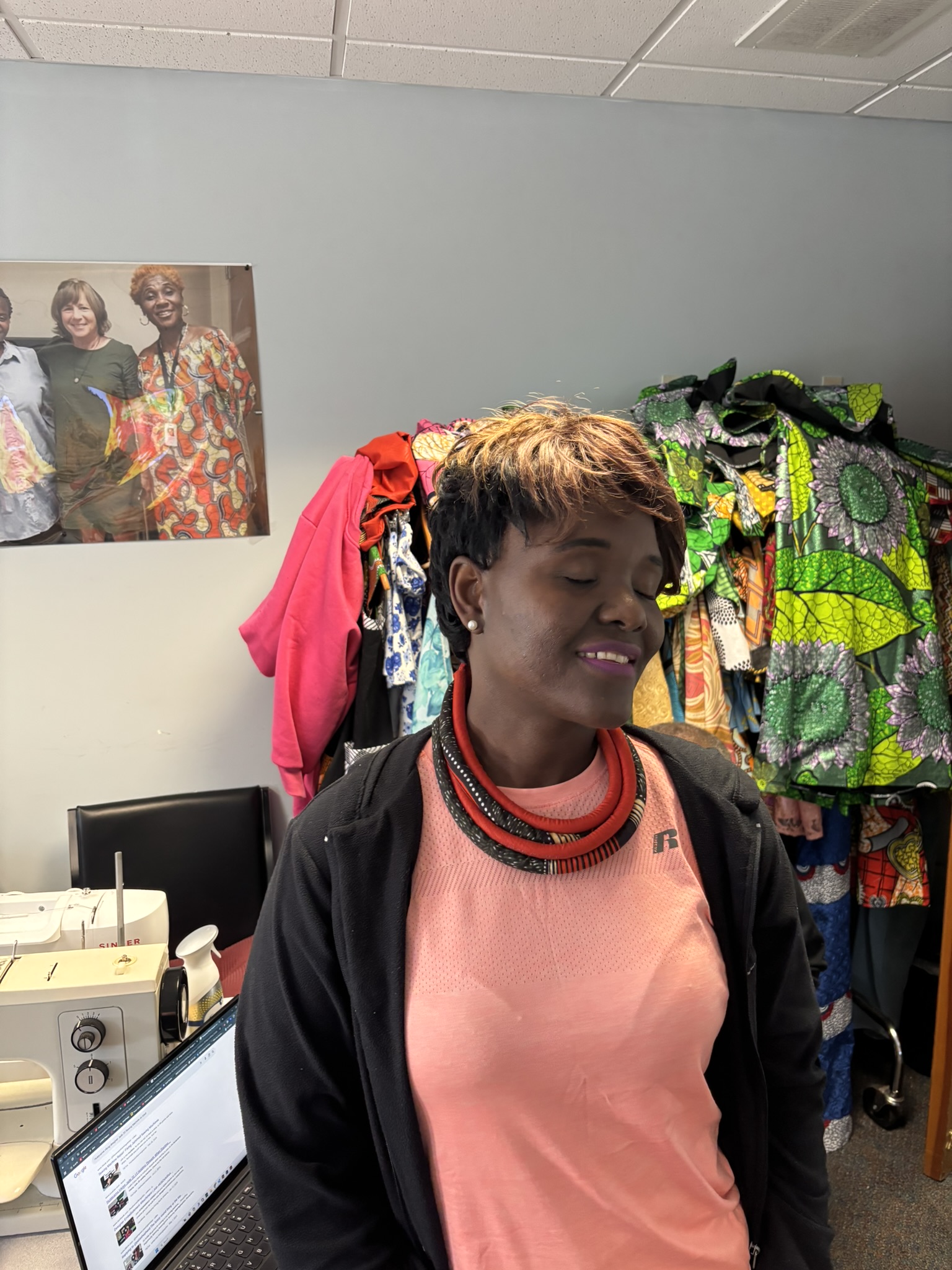
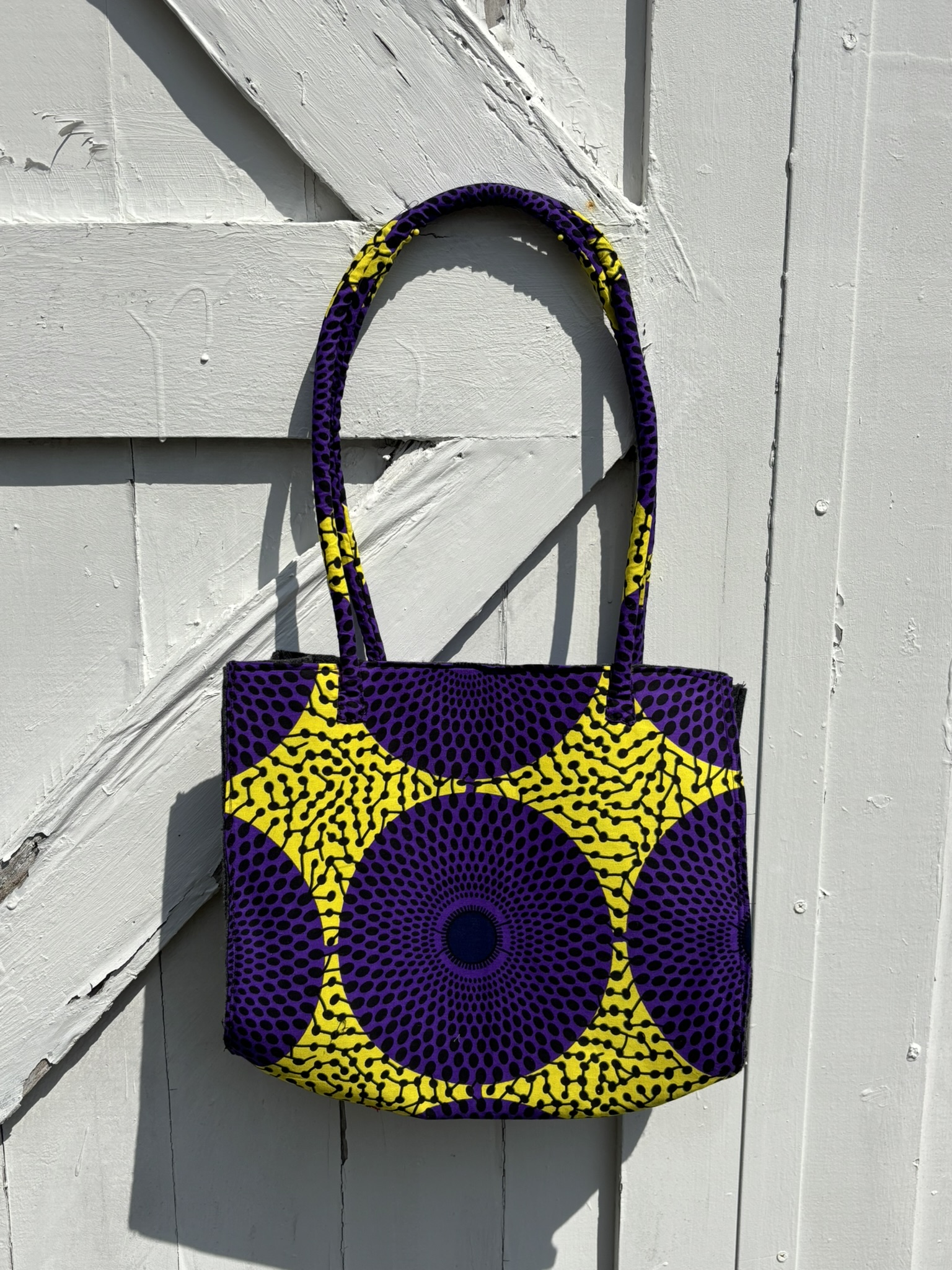
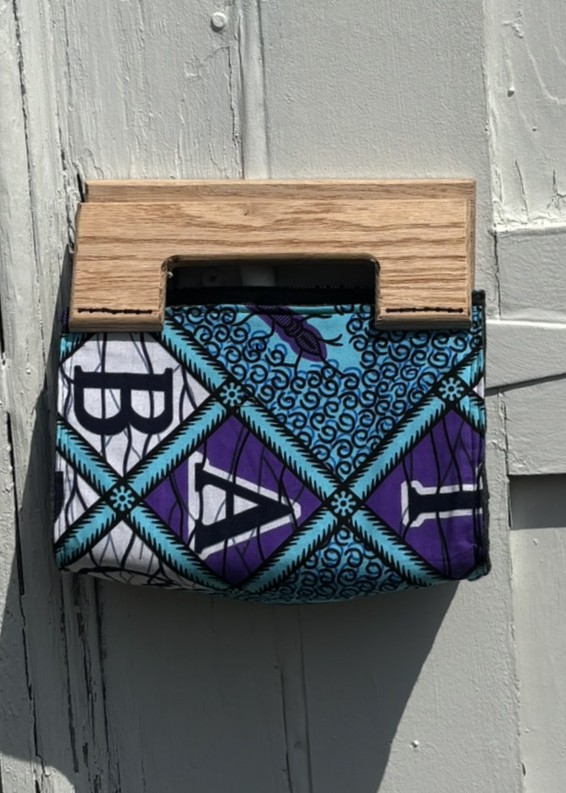
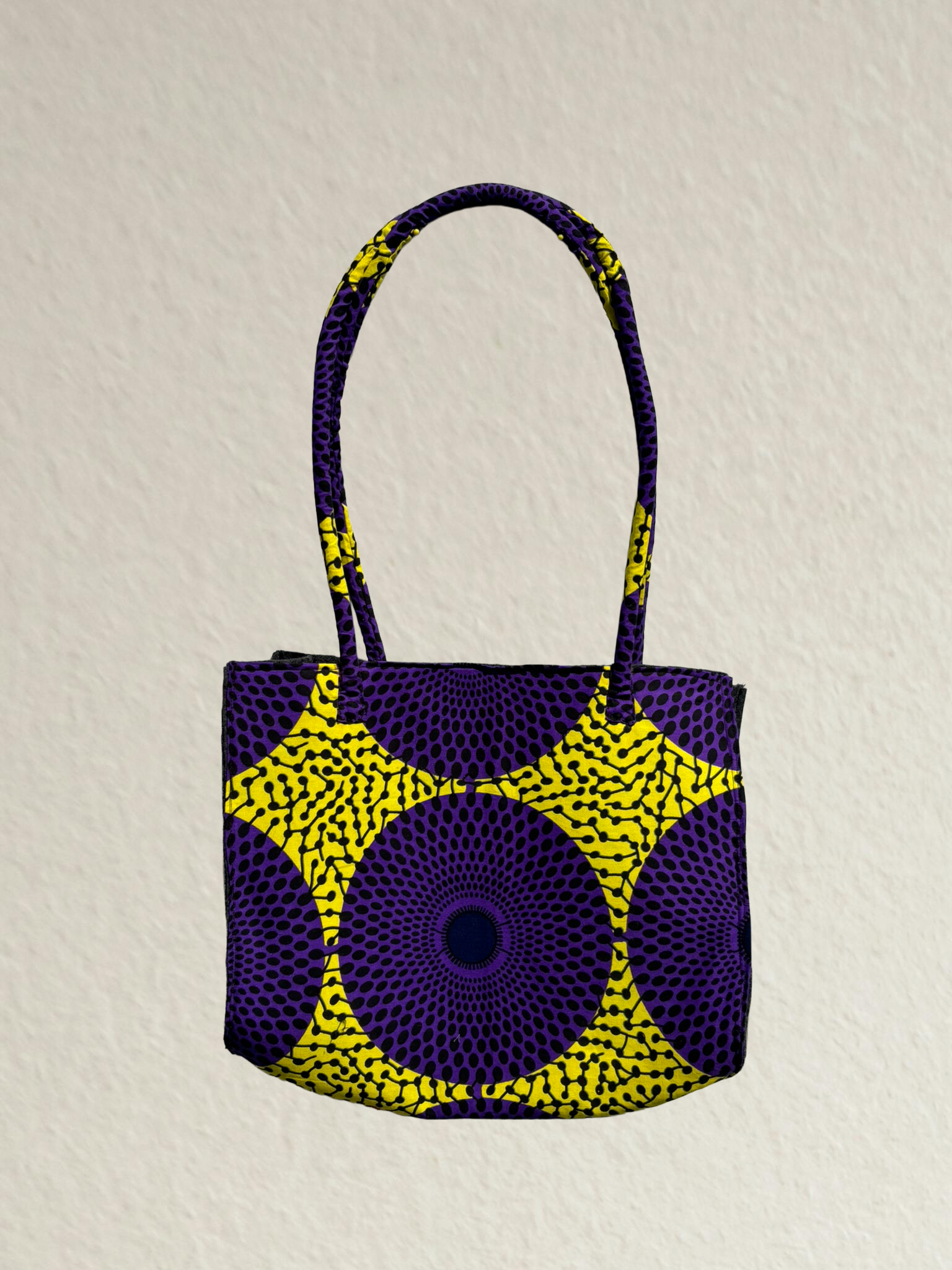
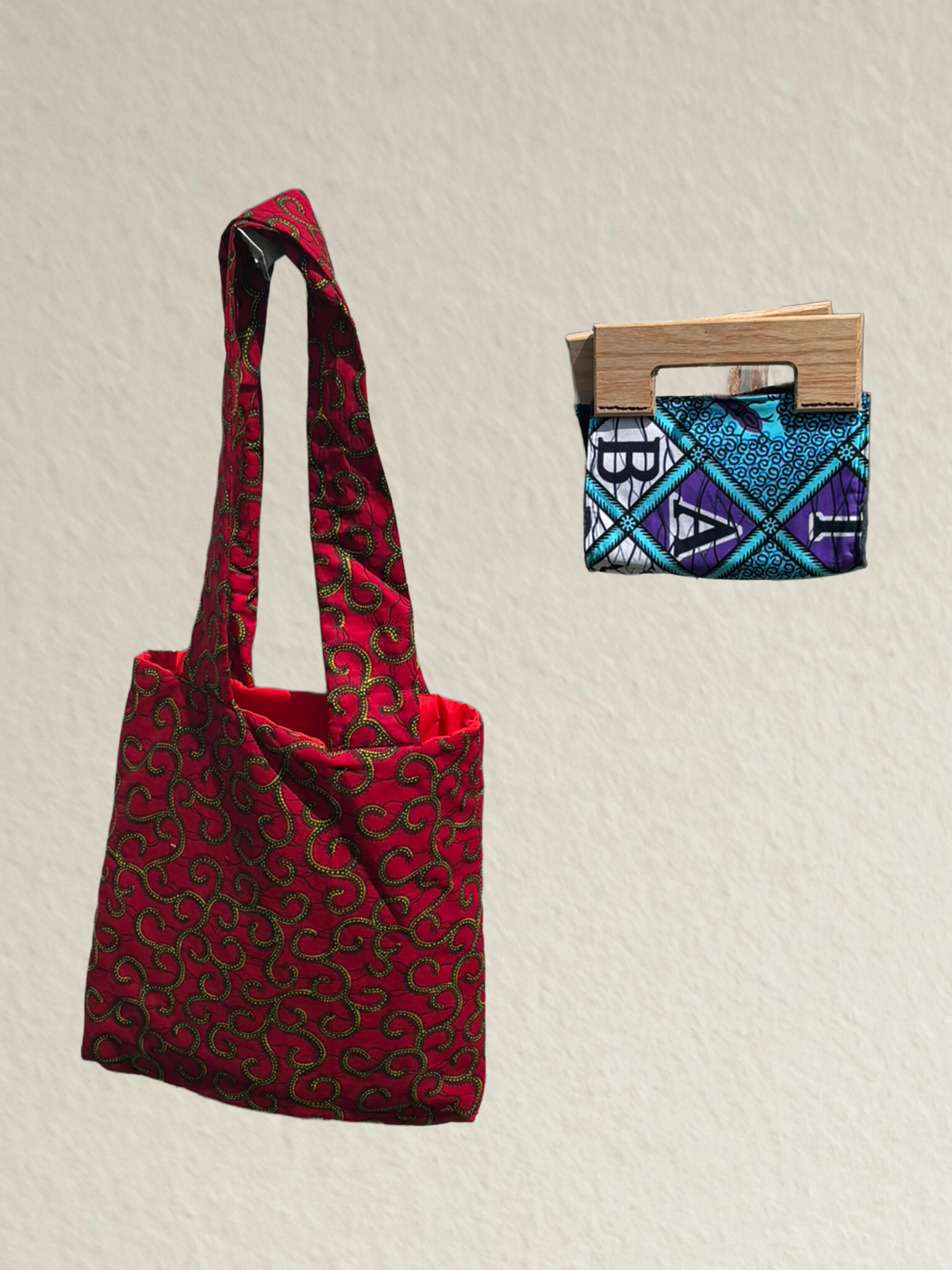
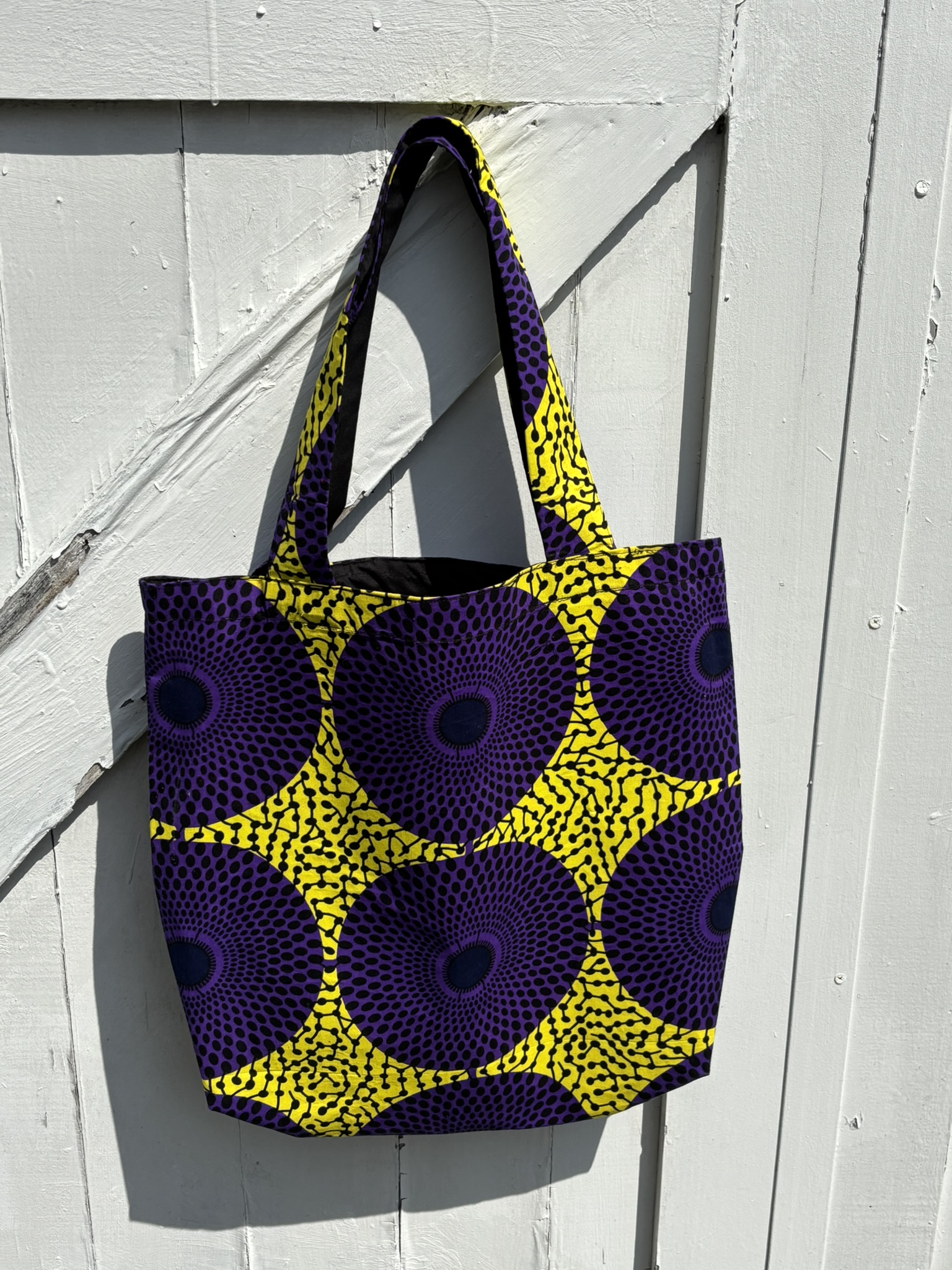
My collaboration with the African Women’s Refugee Care
Center in Rhode Island through the AfricanXRI project required deep research into cultural
aesthetics, material practices, and entrepreneurship goals, resulting in products that were both functional
and resonant
with the community’s vision.
This project reflects my commitment to translating
research into objects that carry meaning, utility, and a strong sense of identity.